Origin and product context
Identify the commodity, grade or product type, sourcing relationship, intended use, and destination before discussing a possible offer.
Explore detailsA practical view of the activities and hand-offs that may connect Kenyan origin relationships with an international buyer. The route and evidence depend on each product and transaction.
Discuss your requirementsWamunyu helps buyers and origin partners move through product discussion, available information, evaluation, and agreed shipment planning. The company’s role and every partner’s responsibilities are confirmed for each enquiry.
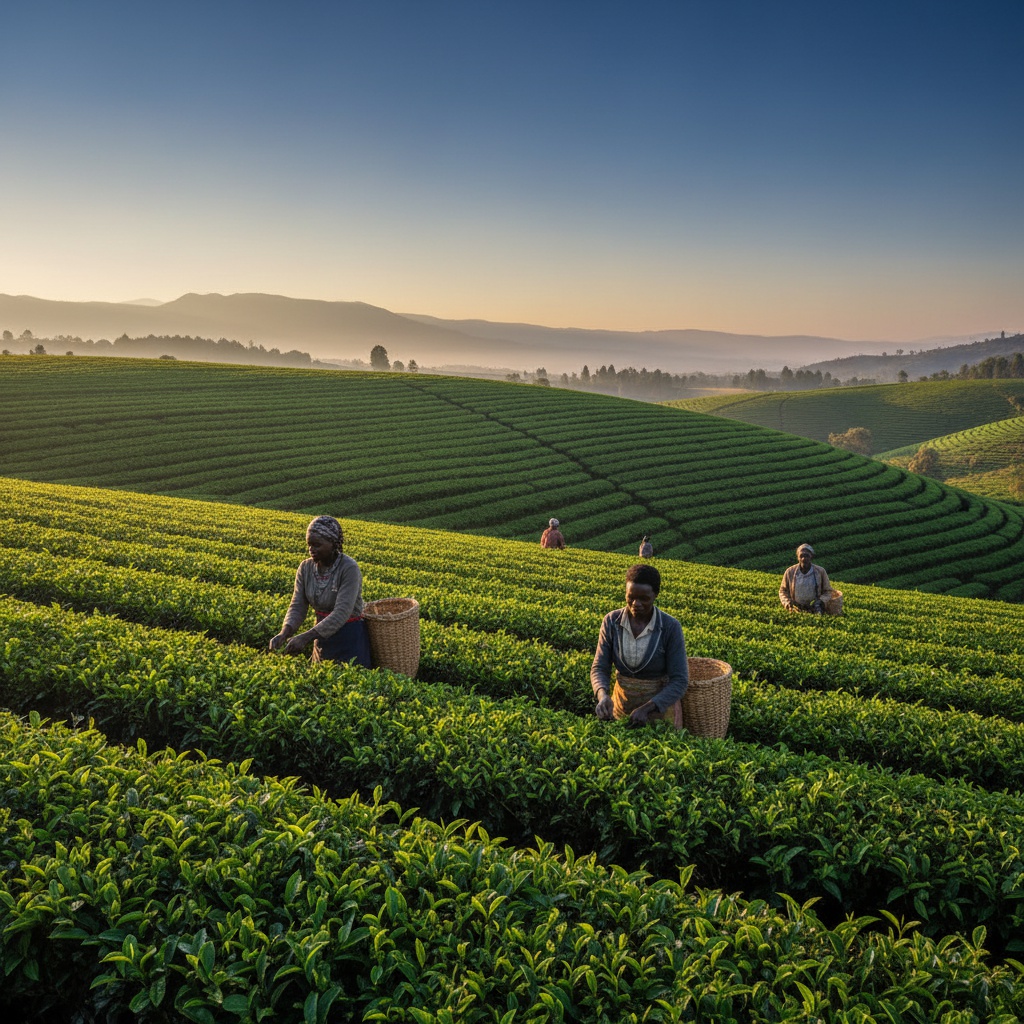
Identify the commodity, grade or product type, sourcing relationship, intended use, and destination before discussing a possible offer.
Explore detailsReview the current specification, sample options, product handling information, and quality criteria that can be supported for the lot.
Explore detailsClarify packing, documentation dependencies, storage, freight, shipment timing, and the parties responsible for each hand-off.
Explore detailsReview selected origin relationship context.
Explore detailsExplore evidence-led sourcing principles.
Explore detailsReview storage, freight, and document pathways.
Explore detailsA route from origin to buyer does not automatically mean farm-level traceability, certification, or a complete chain-of-custody record. Wamunyu shares origin and product information when it is supported by current records for the specific offer.
Ask which records are available before using origin or sustainability statements in procurement or marketing.

State tea or coffee, grade or specification, intended use, destination, quantity, and shipment window.
Identify what sourcing, lot, process, and product information is available for the current enquiry.

Coordinate samples and quality questions, then confirm buyer, seller, provider, and documentation responsibilities. Plan the shipment: Where agreed, align packing, warehousing, export-document dependencies, freight, and delivery terms.
| Specification | Details | Notes |
|---|---|---|
| Origin evidence | Ask which county, cooperative, factory, or lot records support the description. | Do not infer farm-level traceability. |
| Product and process | Confirm grade, process, crop or lot reference, handling, and current specification. | Information varies by offer. |
| Partner roles | Record who sources, evaluates, packs, stores, transports, and issues official documents. | Responsibility should be explicit. |
| Buyer requirements | State destination, import needs, packing, timing, and evaluation criteria. | Importer requirements must be verified. |
Share your requirements for sourcing. Current availability, service scope, pricing, and timing are confirmed for each enquiry.