Traceability and provenance
Share origin and lot context when records support it; clarify the level of traceability available and any gaps.
Explore detailsPrinciples for responsible trade, with claims and outcomes tied to evidence that can be verified for the relevant product, relationship, and period.
Discuss your requirementsThe priorities below guide discussion and improvement. They are not independent certifications, quantified impact results, or a claim that every producer currently meets the same standard.
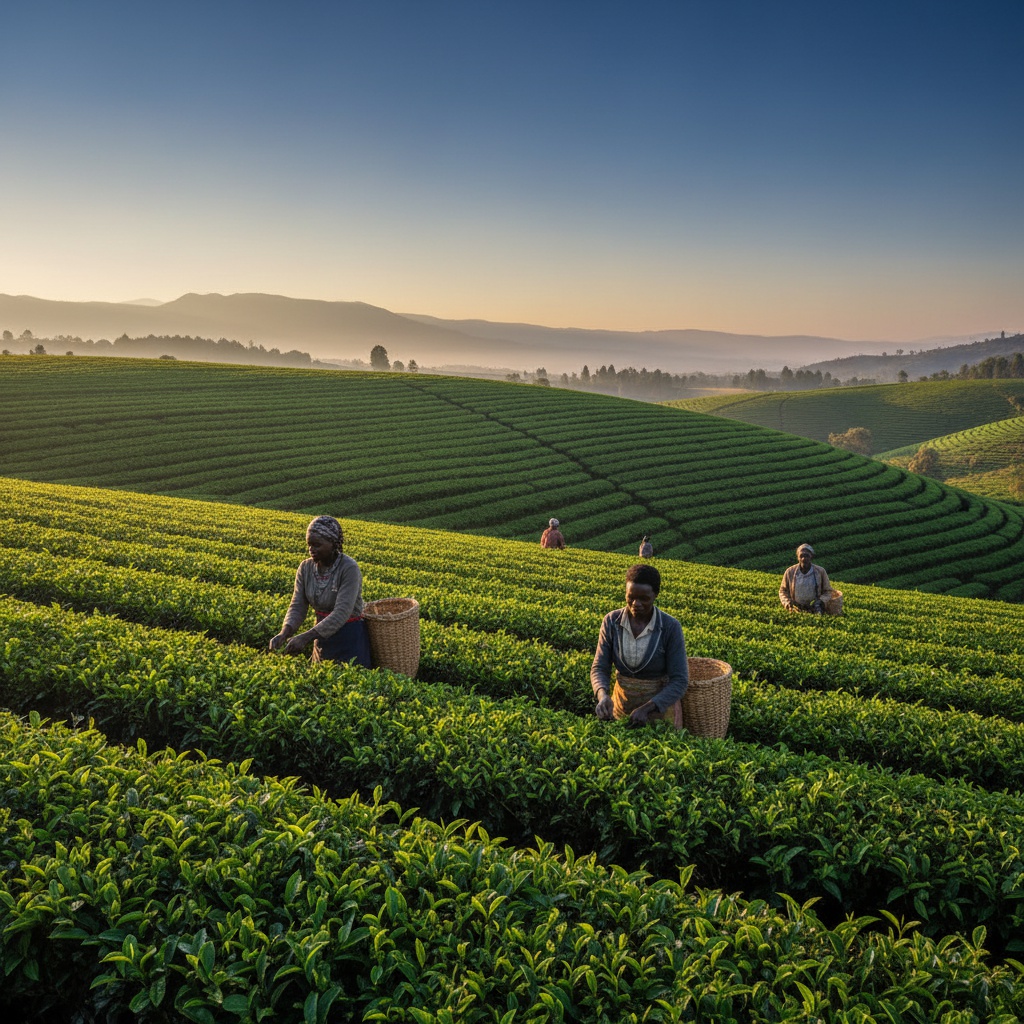
Share origin and lot context when records support it; clarify the level of traceability available and any gaps.
Explore detailsDiscuss commercially sustainable relationships, fair communication, and inclusive participation without claiming unmeasured outcomes.
Explore detailsSupport participation and responsible agronomy as priorities; verify practices and progress with the relevant producers and records.
Explore detailsReview selected origin relationships and verification limits.
Explore detailsUnderstand how product information and partner roles connect.
Explore detailsShare buyer standards and evidence needs.
Explore detailsWamunyu does not present these principles as third-party certification or as quantified environmental or social performance. Buyers seeking specific standards, audits, or indicators should identify them in the enquiry so availability and scope can be checked.
Product and origin claims should be accurate, current, and supported by the appropriate evidence.

Name the standard, traceability level, social or environmental topic, and decision the information will support.
Link the question to a commodity, supplier relationship, lot, location, and relevant time period.

Confirm what records, policies, audits, or partner information are available and who issued them. Agree appropriate wording: Use claims only within the scope, validity, and permissions of the supporting evidence.
| Specification | Details | Notes |
|---|---|---|
| Traceability | Define whether you need country, county, cooperative, factory, or lot-level information. | Availability varies by supply chain. |
| Livelihoods and equity | Specify the outcome, indicator, period, and evidence required. | Do not assume impact without data. |
| Farming practices | Identify the practice or standard and the records that can substantiate it. | Producer practice may vary. |
| Use of claims | Confirm scope, date, issuer, and permission before publishing a claim. | Membership is not product certification. |
Share your requirements for sourcing. Current availability, service scope, pricing, and timing are confirmed for each enquiry.